Project Background & Core Challenges
The Panjin Red Beach Scenic Area spans over 100 square kilometers of delicate coastal wetland, renowned for its unique red seepweed landscape. Prior to the deployment of our sightseeing train system, visitor movement across the vast area relied solely on traditional shuttle buses and long-distance walking, which triggered a series of persistent operational and ecological issues.
Major Pain Points Faced by the Scenic Area
✦ Severe Crowd Congestion & Inefficient Flow: During peak tourist seasons, the scenic area manages an average of over 50,000 daily visitors across its long, linear coastal landscape. Walking and shuttle buses led to heavy congestion, uneven visitor distribution across different attractions, and long waiting times for tourists.
✦ Critical Ecological Protection Risks: The delicate wetland ecosystem and unique vegetation were under constant threat from the direct impact of road traffic, vehicle emissions, excessive noise pollution, and uncontrolled off-path tourist intrusion, conflicting with the area’s core conservation mission.
✦ Poor Visitor Experience & Uneven Economic Benefits: Many tourists missed key scenic spots due to travel fatigue and unclear navigation, resulting in unbalanced economic benefits for different sections of the park and lower overall tourist retention and spending rates.
Project Objectives
Our team worked closely with the Panjin Red Beach Scenic Area management to define clear, actionable project objectives focused on transport efficiency, ecological protection, and visitor experience, as outlined below:
✦ Provide reliable, all-weather, high-capacity transportation solutions for large volumes of visitors throughout the year
✦ Build a highly efficient, eco-friendly tourist circulation system to replace traditional fuel-powered shuttle vehicles
✦ Minimize ground traffic volume and its negative impact on the fragile wetland ecosystem and surrounding vegetation
✦ Offer a narrated, immersive travel journey that educates visitors on the unique wetland ecology and local conservation efforts
✦ Ensure smooth, convenient access to all major scenic spots within the corridor, including iconic landmarks such as Wangyangtan and Yueyatan
✦ Increase average visitor dwell time in the scenic area, boost overall tourist satisfaction, and enhance the park’s brand value
Our Customized Solutions & Implementation
As the dedicated supplier for this landmark project, our company provided a full-suite solution covering infrastructure planning, customized rolling stock, and integrated operational services, tailored specifically to the unique terrain and ecological needs of Panjin Red Beach.
1. Infrastructure Planning & Construction
We designed and constructed a continuous, narrow special-purpose travel corridor for the sightseeing trains, paired with multiple strategically located passenger stations across key scenic nodes. The stations were built to blend with the natural wetland landscape, ensuring minimal ecological disruption while maximizing visitor accessibility.
2. Customized Rolling Stock Deployment
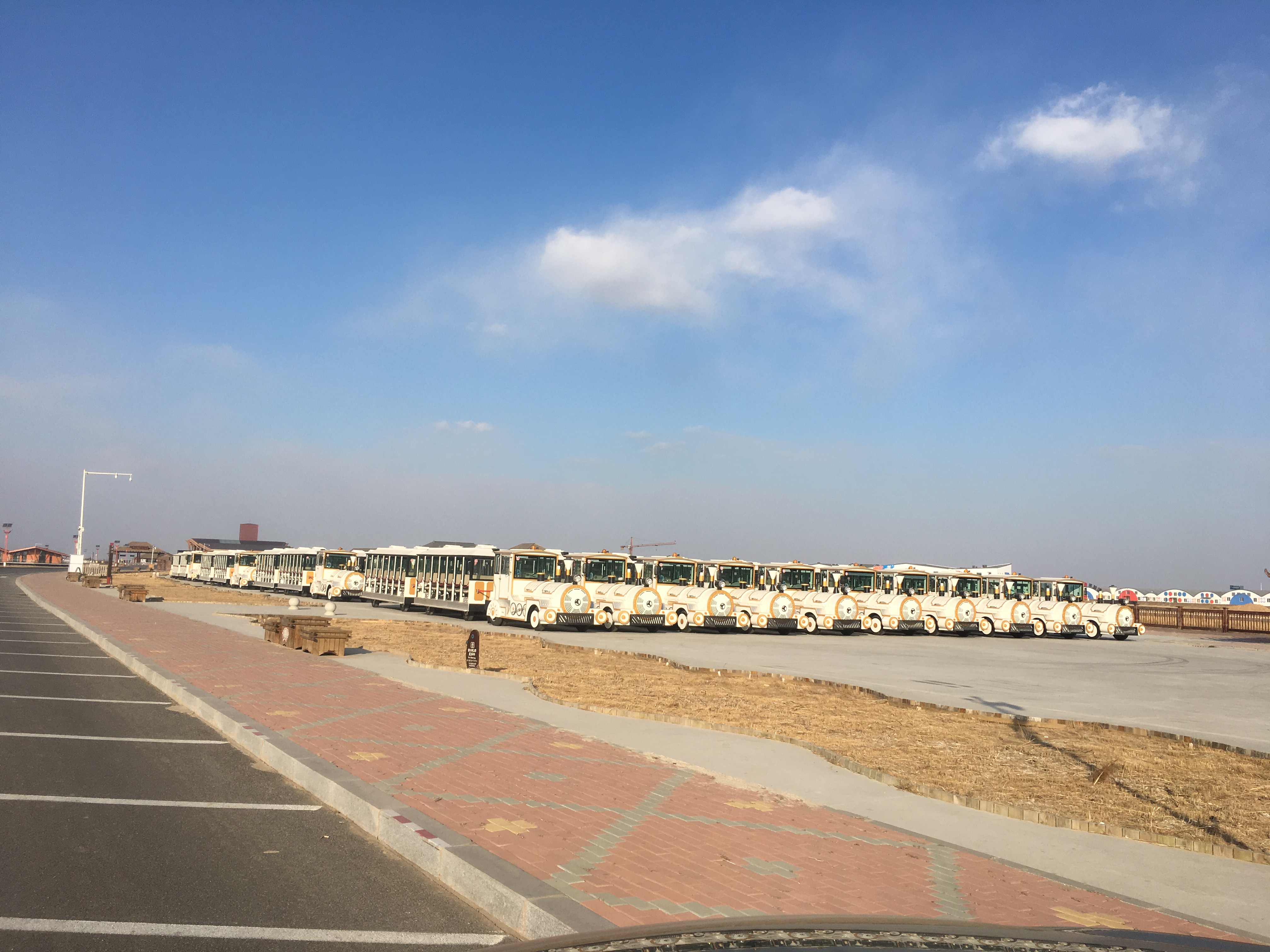
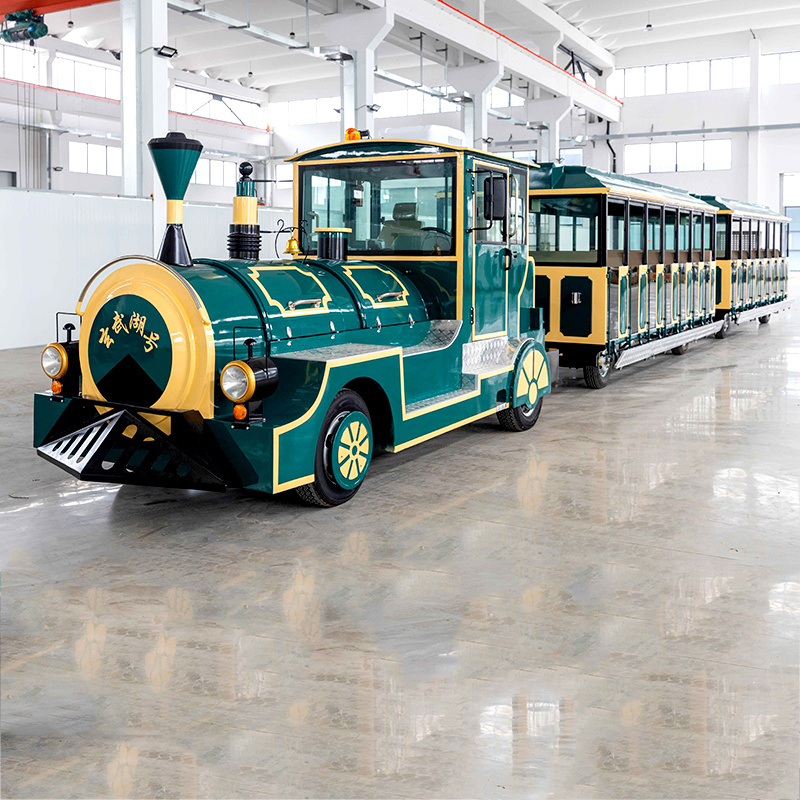
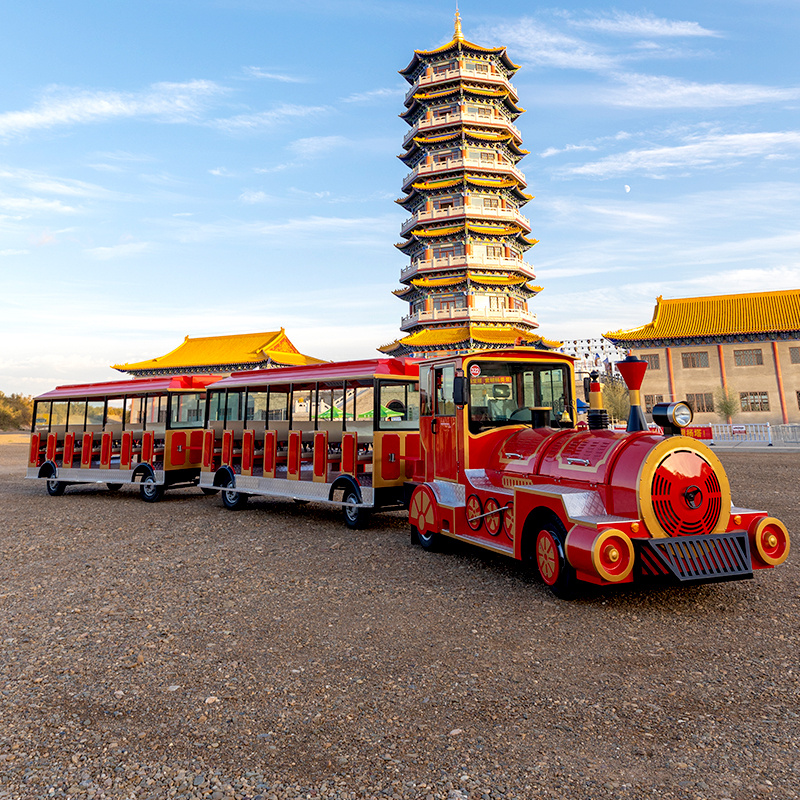
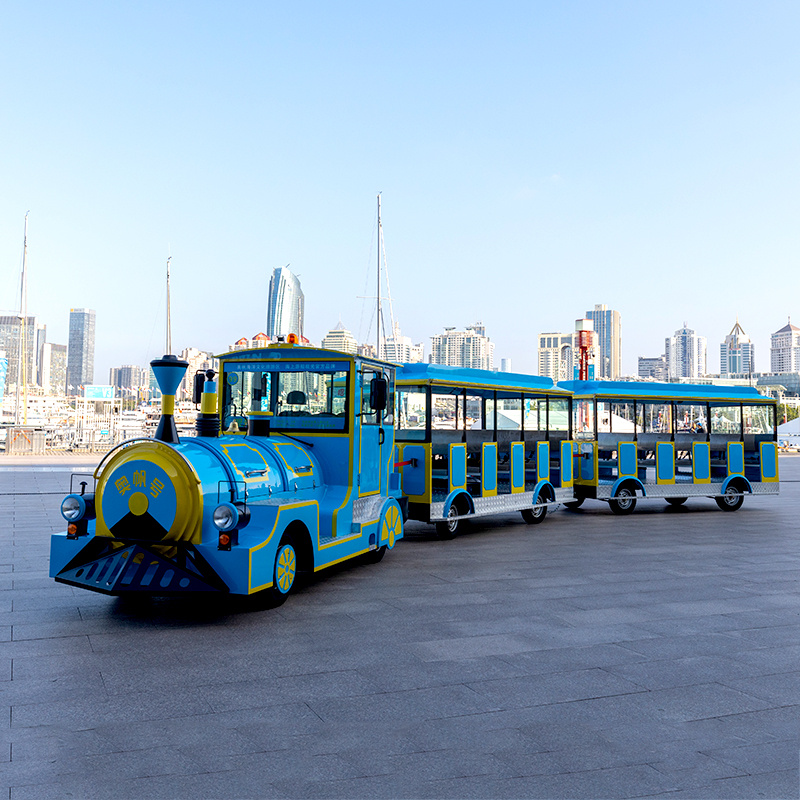
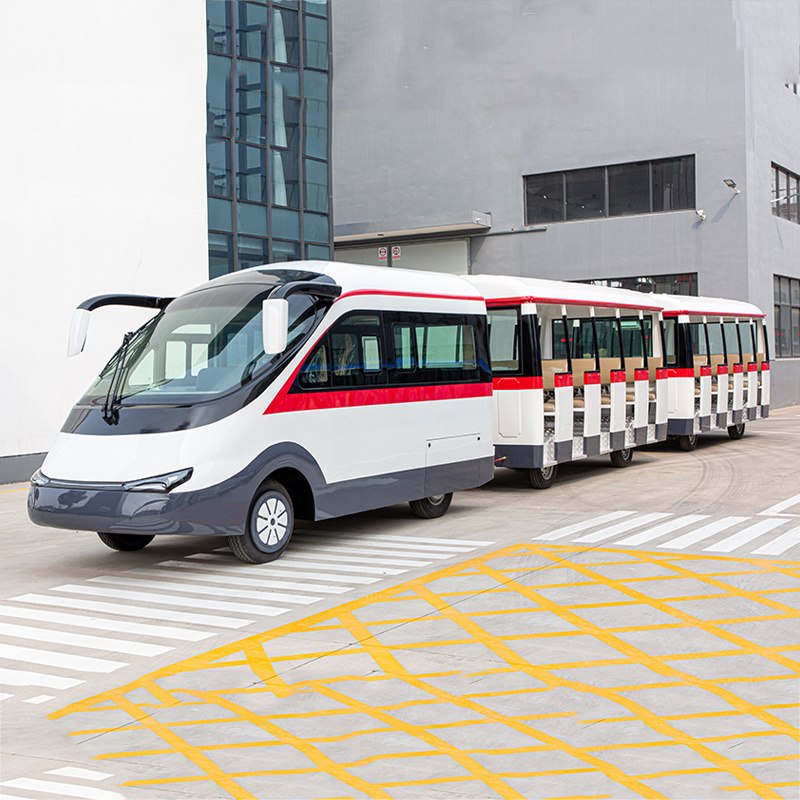
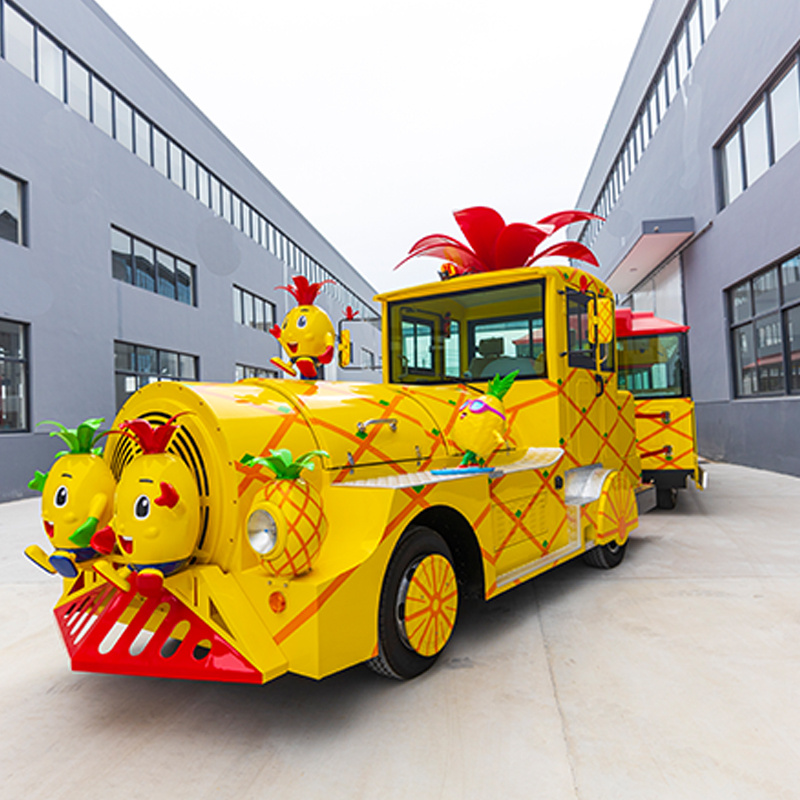
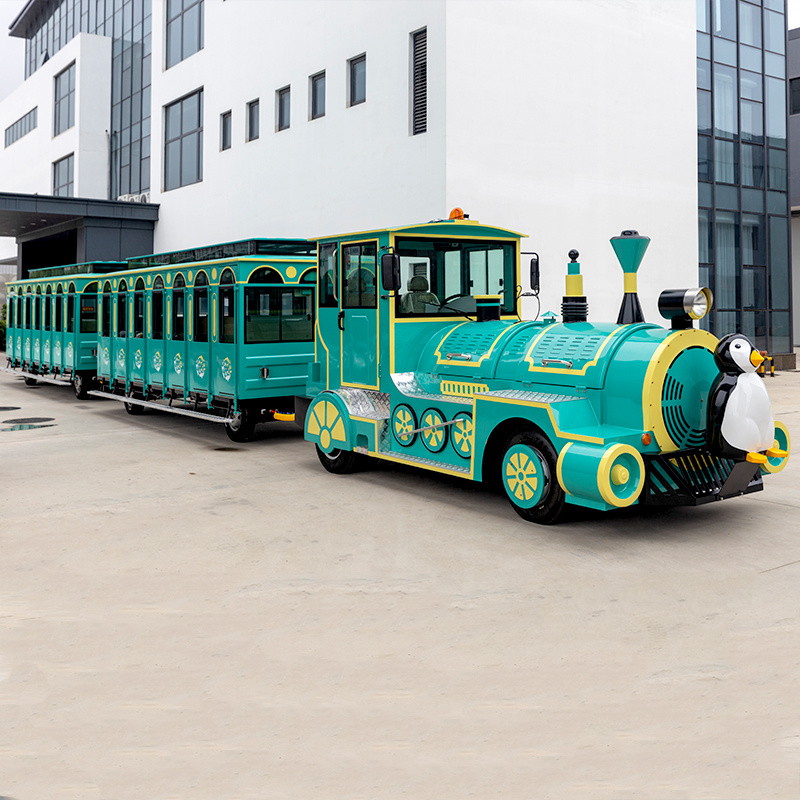
We deployed 70 sets of themed electric sightseeing train sets, featuring vibrant, landscape-matching designs, large panoramic viewing windows, and optional open-air viewing carriages. The zero-emission electric powertrain aligns with the scenic area’s eco-protection goals, while the spacious, comfortable carriages accommodate high passenger volumes efficiently.
3. Flexible Operational Service Model
The train system operates as a convenient one-way or round-trip circulation circuit, allowing visitors to disembark at any designated station, explore nearby attractions freely, and board subsequent trains at their own pace. This flexible model eliminates rigid travel schedules and caters to diverse visitor preferences.
4. Seamless Ticket Integration
The sightseeing train ticket was seamlessly bundled with the park’s standard entrance pass, simplifying the revenue model for the scenic area and guaranteeing universal access for all paying visitors, eliminating additional ticketing barriers and encouraging widespread use of the train system.
Project Results & Core Achievements
Operational Efficiency Improvements
The electric sightseeing train system enabled stable, predictable large-capacity passenger transport, replacing hundreds of internal combustion shuttle bus trips daily. The scenic area recorded an estimated 40% reduction in internal combustion vehicle traffic within the ecological core zone, alongside dramatic improvements in crowd management and overall visitor flow control.
Visitor Experience & Satisfaction
The train system received overwhelmingly high ratings from tourists for its convenience, comfort, and unique panoramic viewing perspective of the iconic red beach landscape, which is completely unreachable by foot. Beyond pure transportation, the train evolved into a signature attraction of the scenic area itself, significantly extending average visitor dwell time and boosting overall satisfaction scores.
Ecological & Environmental Benefits
The fully electric operation delivers zero direct on-site emissions, while the fixed travel corridor confines tourist activity to designated paths, effectively eliminating off-path ecological intrusion. The project also drastically reduced air and noise pollution within the core protection area, fully supporting the scenic area’s long-term wetland conservation mission.
Branding & Industry Impact
The sightseeing train has become a defining visual and experiential symbol of the Panjin Red Beach tourism brand, setting a benchmark for eco-friendly tourist mobility solutions in large-scale wetland scenic areas worldwide. It has strengthened the region’s reputation as a sustainable tourism destination and attracted more eco-conscious tourists domestically and internationally.